

By Sergio Sotelo
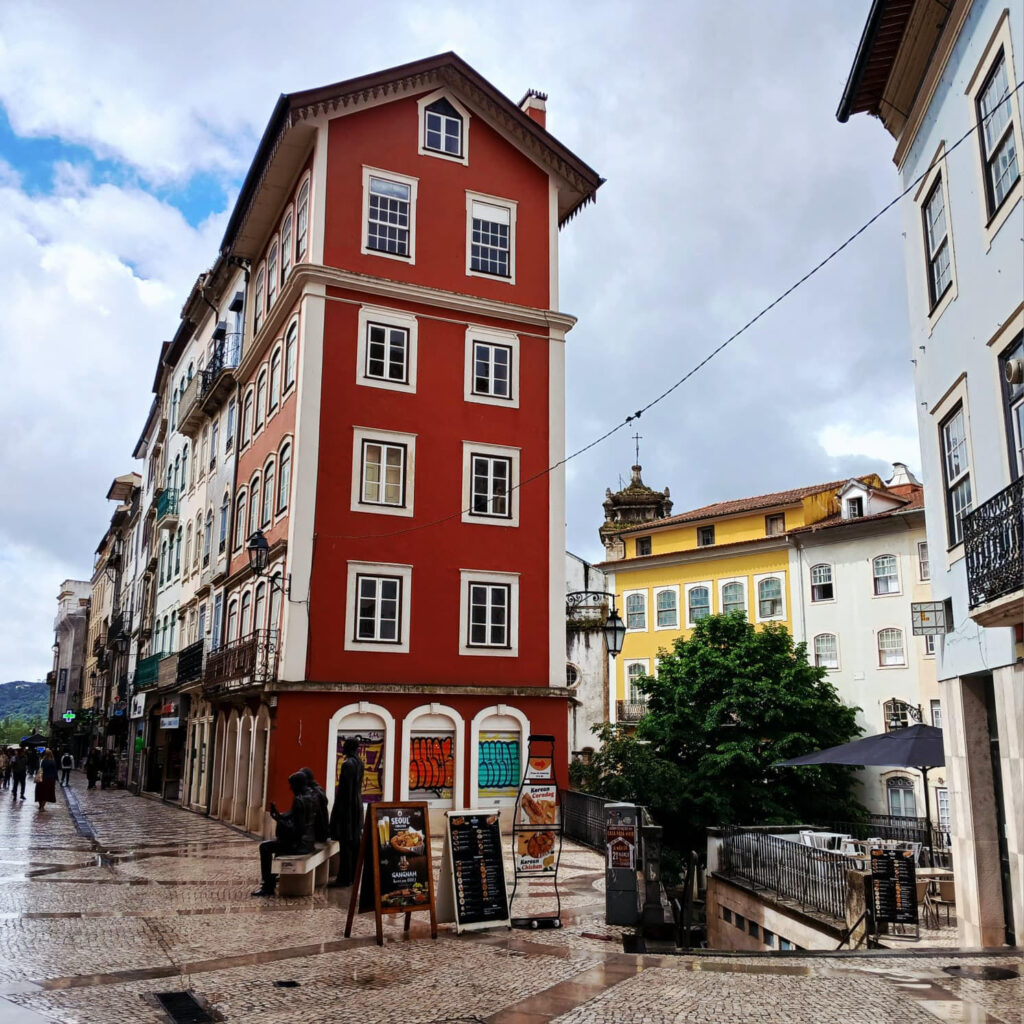
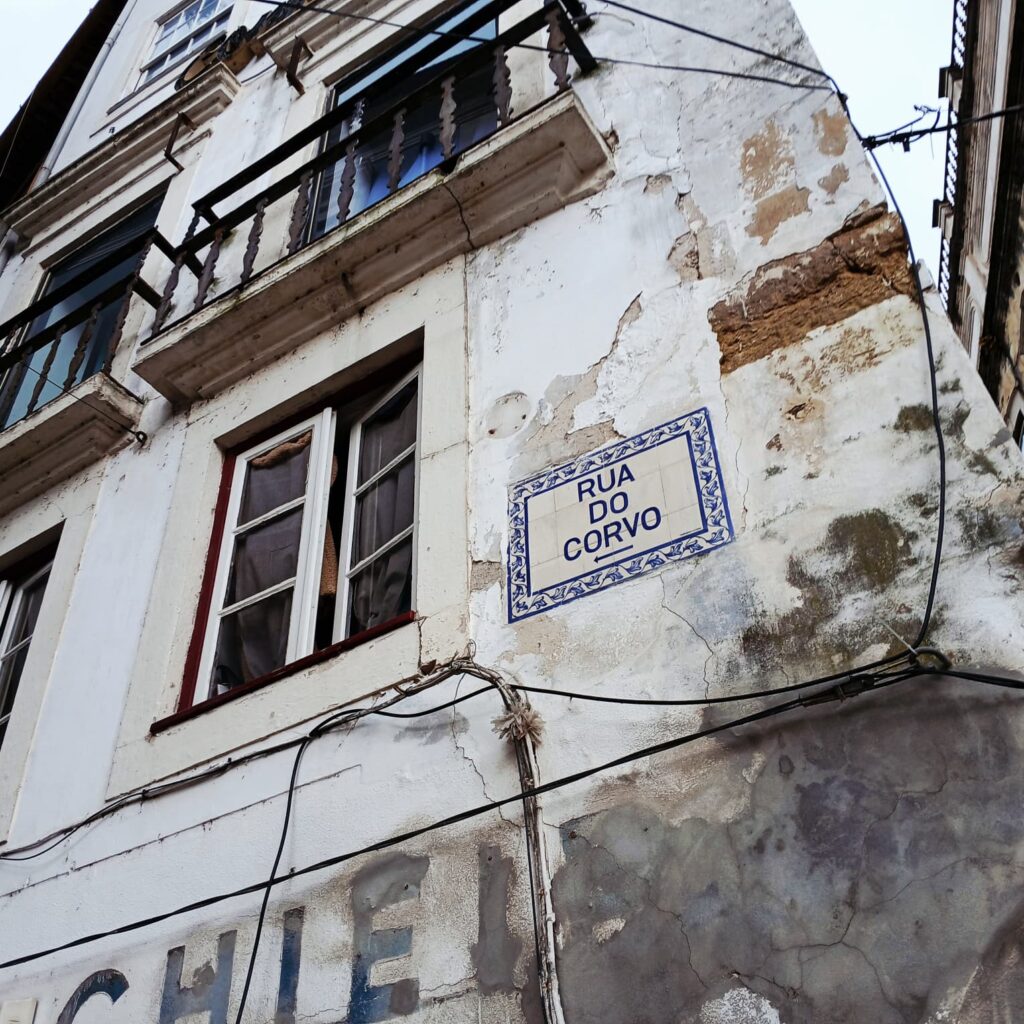
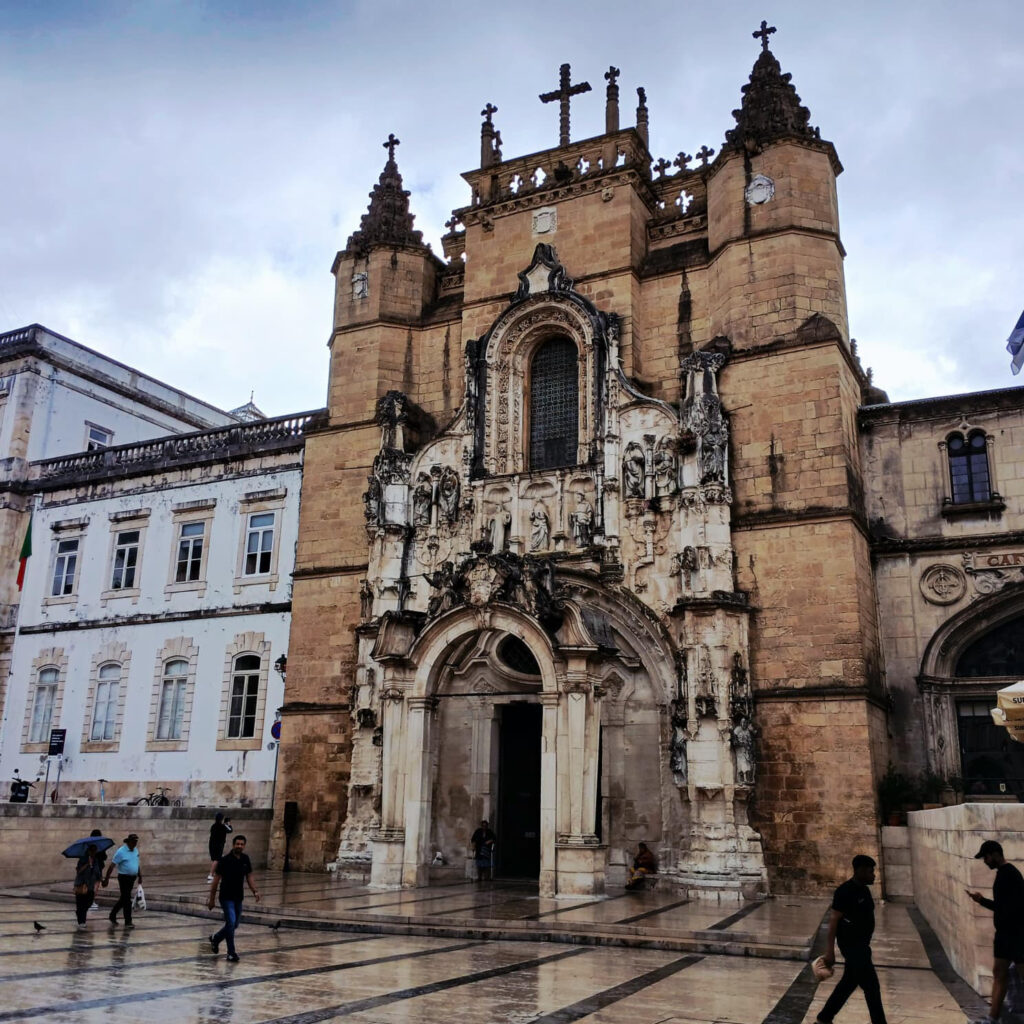
We love travelling, even if it is done vicariously. Thus we are celebrating an European capital of many charms. A city still untainted by rampant capitalism, albeit we suspect that not for long. The images are from one of our closest contributors and the words by its best known literary son, Fernando Pessoa, and two of his famous heteronyms
The first to settle on its coast were the Phoenicians and they called it Alis Ubbo meaning “Delightful Little Port”. Then came the Romans and for them it was Olisipo, and after them the Arabs who named it Al-Ushbuna to finally become baptised with its current Portuguese name of Lisboa. A city umbilically joined by the River Tajo with the old Spanish Visigothic Capital, Toledo.
This a poem is by Lisbon’s most acclaimed literary son, Fernando Pessoa, which happens to be a tad over a century old.
Lisbon Revisited – Fernando Pessoa – 21st April 1926
Nothing holds me.
I want fifty things at the same time.
I long with meat-craving anxiety
For I don’t know what—
Definitely something indefinite …
I sleep fitfully and live in the fitful dream-state
Of a fitful sleeper, half dreaming.
All abstract and necessary doors were closed in my face.
Curtains were drawn across every hypothesis I could have seen from the street.
I found the alley but not the number of the address I was given.
I woke up to the same life Iʾd fallen asleep to.
Even the armies I dreamed of were defeated.
Even my dreams felt false while I dreamed them.
Even the life I merely long for jades me—even that life …
At intermittent intervals I understand;
I write in respites from my weariness;
And a boredom bored even of itself casts me ashore.
I donʾt know what destiny or future belongs to my anxiety adrift on the waves;
I donʾt know what impossible South Sea islands await me, a castaway,
Or what palm groves of literature will grant me at least a verse.
No, I don’t know this, or that, or anything else…
And in the depths of my spirit, where I dream all I’ve dreamed,
In my soul’s far-flung fields, where I remember for no reason
(And the past is a natural fog of false tears),
On the roads and pathways of distant forests
Where I supposed my being dwelled—
There my dreamed armies, defeated without having been,
And my nonexistent legions, annihilated in God,
All flee in disarray, the last remnants
Of the final illusion.
Once more I see you,
City of my horrifyingly lost childhood …
Happy and sad city, once more I dream here …
I? Is it one and the same I who lived here, and came back,
And came back again, and again,
And yet again have come back?
Or are we—all the Iʾs that I was here or that were here—
A series of bead-beings joined together by a string of memory,
A series of dreams about me dreamed by someone outside me?
Once more I see you,
With a heart thatʾs more distant, a soul thatʾs less mine.
Once more I see you—Lisbon, the Tagus and the rest—
A useless onlooker of you and of myself,
A foreigner here like everywhere else,
Incidental in life as in my soul,
A ghost wandering through halls of remembrances
To the sound of rats and creaking floorboards
In the accursed castle of having to live …
Once more I see you,
A shadow moving among shadows, gleaming
For an instant in some bleak unknown light
Before passing into the night like a shipʾs wake swallowed
In water whose sound fades into silence …
Once, more I see you,
But, oh, I cannot see myself!
The magic mirror where I always looked the same has shattered,
And in each fateful fragment I see only a piece of me—
A piece of you and of me!


The Tagus is more beautiful than the river that flows through my village – 1914
The Tagus* is more beautiful than the river that flows through my village,
But the Tagus is not more beautiful than the river that flows through my village
Because the Tagus is not the river that flows through my village.
The Tagus has enormous ships,
And for those who see in everything that which isnʾt there
Its waters are still sailed
By the memory of the carracks.
The Tagus descends from Spain
And crosses Portugal to pour into the sea.
Everyone knows this.
But few know what the river of my village is called
And where it goes to
And where it comes from.
And so, because it belongs to fewer people,
The river of my village is freer and larger.
The Tagus leads to the world.
Beyond the Tagus there is America
And the fortune of those who find it.
No one ever thought about whatʾs beyond
The river of my village.
The river of my village doesnʾt make one think of anything.
Whoever is next to it is simply next to it.
Tagus is the English name of Río Tajo


All photos by Sergio Sotelo who is Associate Editor of Perro Negro. His main activity is growing things followed by reading, writing, travelling and taking photos. In that order.
If you want to read his collection of short essay Diarios de Plomo, click here

Other Articles

No Comment! Be the first one.